Things to Do in Suva in July
July weather, activities, events & insider tips
Low Season · Budget Friendly
July Weather in Suva
Long-run averages for July
80°F (27°C)
High Temp
70°F (21°C)
Low Temp
5.4 inches (137 mm)
Rainfall
80%
Humidity
13
Rainy Days
8
Sunny-Day UV
⚠ Southeast trade winds pick up in July. They can make boat crossings to Beqa Lagoon and other offshore sites choppy, on the afternoon return leg. Anyone prone to seasickness should take precautions before marine excursions. Request a morning return where possible.
⚠ Despite cooler air temperatures, the tropical latitude means UV exposure remains significant on clear days. Reflected UV off water during diving and snorkeling trips at Beqa Lagoon and other reef sites intensifies the burn risk well beyond what the air temperature suggests. Cover exposed skin. Reapply sunscreen after every water session.
Making the most of July in Suva? Browse tours and activities in Suva on GetYourGuide.
Is July Right for You?
Weigh the advantages and considerations before booking
Advantages
- + July is Suva's driest month, averaging just 5.4 inches (137 mm) of rain against the city's wet-season totals that exceed 13 inches (340 mm) in January and March. For a capital that earns its reputation as one of the Pacific's wettest cities, this is the window when the green hills behind the harbor stay green without drowning you in the process. Morning skies tend to be clear. When rain does arrive, it typically comes in short afternoon bursts that locals barely acknowledge before carrying on.
- + Temperatures hover around 27°C (80°F) by day and dip to 21°C (70°F) at night, making July the most comfortable month for exploring a city built on hills. The trade winds sweeping across the Suva Peninsula carry a dry coolness that the wet season never offers. You can walk the steep climb from the Municipal Market up past Government House without arriving drenched in your own sweat. It is a bit counterintuitive. Fiji's winter is likely the season that lets you see the most of the country on foot.
- + July's drier conditions transform Colo-i-Suva Forest Park from a muddy scramble into a manageable rainforest walk, with natural swimming pools beneath the waterfalls still holding their wet-season volume while the trails firm up underfoot. Visibility through the mahogany and dakua canopy improves. The Navua River gorge runs clear enough to see the riverbed. Beqa Lagoon's underwater visibility regularly exceeds 20 metres (66 feet). If you came to Fiji for nature, this is when it opens up.
- + Suva's accommodation and dining costs run well below the Mamanuca and Denarau resort belt year-round, and July's dry-season premium in the capital is modest. While resort island prices climb steeply for the Australian and New Zealand school holiday crowds, Suva stays largely unaffected because the tourist traffic routes elsewhere. You get Fiji's best weather month at something close to its lowest prices. That is a combination the resort side of Viti Levu cannot offer.
Considerations
- − Suva's shoreline is a working harbor, not a beach. The water along the seawall carries the murk of a commercial port. Fishing boats idle at the docks. The nearest swimmable stretches of coast require a drive or a boat. If your mental image of Fiji involves white sand and turquoise lagoons, Suva will require a significant recalibration on arrival. The beach side of Fiji lives on the western coast and the outer islands.
- − Even in the driest month, rain falls on roughly 13 days, and Suva's southeast-coast position means it catches moisture that the drier western side of Viti Levu largely avoids. The showers are shorter and lighter than wet-season deluges. You still need a rain plan for any outdoor afternoon. An umbrella in your daypack is not optional here. Pack one, even in July.
- − Tourism infrastructure in Suva is limited compared to Nadi or Denarau. The organized-tour market is thin. English-language tourist signage fades quickly outside the city center. The capital operates as a working government and university city that does not bend to accommodate visitors. That authenticity is a large part of the appeal. It demands more self-reliance and tolerance for figuring things out as you go.
Settled on July? Compare hotel prices in Suva for your dates on Trip.com.
Best Activities in July
Top things to do during your visit
Suva in July sits at the drier end of the Fijian calendar. Daytime temperatures hover around 80°F (27°C) and evenings cool to roughly 70°F (21°C), a relief from the saturating heat of the November-through-April wet season. Rainfall drops to about 5.4 inches for the month, less than half of what Suva receives in December or January, which means longer stretches of dry, overcast mornings that break into pale blue skies by midday. The air carries the scent of damp earth and frangipani rather than the close, dripping weight of the monsoon months. Walk along Victoria Parade in the late afternoon and the light turns the harbour a flat silver, the kind of stillness that makes the capital feel like a city exhaling after months of deluge. July falls in the cool-dry window that also draws Fijians outdoors more freely. The Suva Municipal Market, a cavernous concrete hall near the bus station, runs at full tilt: pyramids of taro and cassava, bundles of duruka still wrapped in their green sheaths, and vendors grilling marinated fish over charcoal drums whose smoke threads through the aisles. Eating in Suva during this season means sampling the Indo-Fijian roti shops along Cumming Street, where the dough slaps against hot griddles and the curry leaves crackle in oil, or sitting at a waterfront spot with a bowl of kokoda, raw fish cured in coconut cream and lime so sharp it makes your eyes water. The restaurants and food stalls here reflect generations of Melanesian, Indian, and Chinese settlement, and the flavours are layered accordingly: tamarind, galangal, fresh chilli, fermented coconut. Suva after dark is quieter than Nadi but not sleepy. A handful of bars along MacArthur Street and near the old Town Hall serve Fiji Gold on draught, and on weekends local bands play island reggae loud enough to rattle the louvred windows. For anyone weighing whether to spend time in Suva or head straight to Nadi and the resort islands, the capital rewards a slower pace. The Fiji Museum in Thurston Gardens holds double-hulled canoe relics and a collection of war clubs whose carved handles you can study at arm's length. The University of the South Pacific campus, spread across a hillside above Laucala Bay, has walking trails through Norfolk pines where fruit bats hang like dark lanterns. And while Suva is not a beach destination in the way the Mamanuca or Yasawa chains are, the reef-fringed coastline east of the city offers rocky tidal pools and patches of coarse sand where locals fish with hand lines in the early morning mist. July is when the water clarity along this stretch improves noticeably compared to the rain-churned months, making it a better window for anyone arranging boat trips or reef excursions from the harbour.

Private Transfer Nadi Airport to or from Hotel or Resort
transportPrivate transfer between Nadi International Airport and Suva, covering roughly three and a half hours of two-lane highway through sugarcane fields, the Sigatoka River valley, and coastal ridge views where the Pacific appears suddenly below.
The most direct, comfortable link between Fiji's international gateway and its capital, with scenery that doubles as your first introduction to the island's interior.
Insider tip: If your flight lands in the late afternoon, request the Queens Road coastal route, which catches the last hour of daylight over the reef and is smoother than the inland alternative after dark.

Port of Suva - Private Tour
private_tourGuided private tour of Suva's port district and city centre, exposing copra warehouses, Indo-Fijian tailor shops, weathered colonial buildings, and the Suva Municipal Market.
A local guide connects the physical city to its layered history of indigenous Fijian governance, colonial administration, and Indian indenture in a way no signboard can.
Insider tip: Ask your guide to include a stop at the fish section of the municipal market early in the morning, when the day's catch is still being sorted and the colours of reef fish laid out on ice are extraordinary.
This month: July is a good time for the Suva Municipal Market, which runs at full tilt with produce and charcoal-grilled fish.

Suva Customized tour- Private
guided_experiencePrivate tour of Suva built around your own interests rather than a fixed circuit, such as the Fiji Museum, botanical gardens, Indian sweets on Marks Street, or a lovo-style lunch.
Suva rewards curiosity more than checklists, and a guide who adjusts the route to your pace reveals corners of the city that a standard loop misses entirely.
Insider tip: If you have any interest in Fijian history, ask to visit the old Parliament complex and the nearby cenotaph, then walk down to the seawall where local teenagers dive into the harbour on weekends. It is the most unguarded view of how Suva lives.

Kiara Package tour
guided_experienceSingle guided day bundling several of Suva's key sites, typically combining Colo-i-Suva Forest Park with city landmarks and a cultural stop.
A single-day package that pairs Suva's forested highlands with its urban core, covering ground that would take twice as long to arrange independently.
Insider tip: Wear shoes with grip for Colo-i-Suva; the rock pools are reached by a trail that stays slick even in drier months, and the descent to the lower falls is steep enough to matter.
This month: In July's drier weeks, Colo-i-Suva trails can still be muddy and slick, near the rock pools and lower falls.
Where to Stay in Suva in July
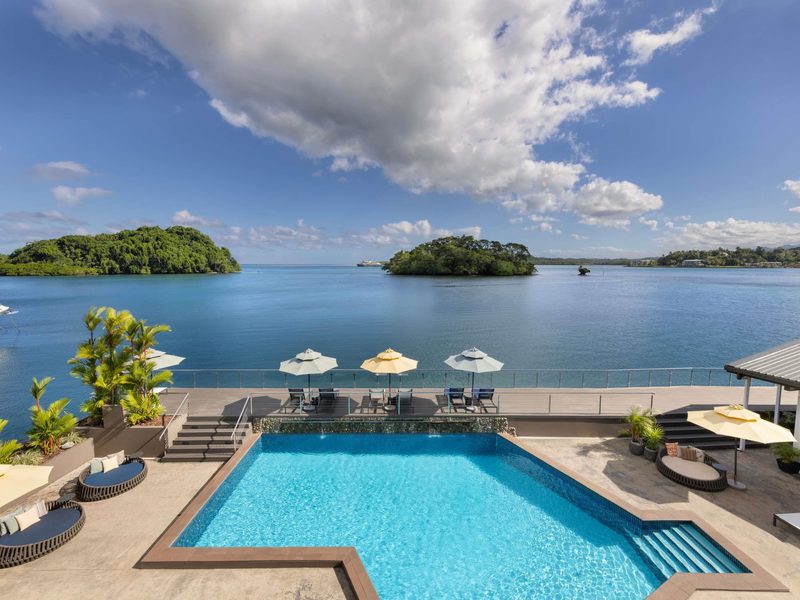
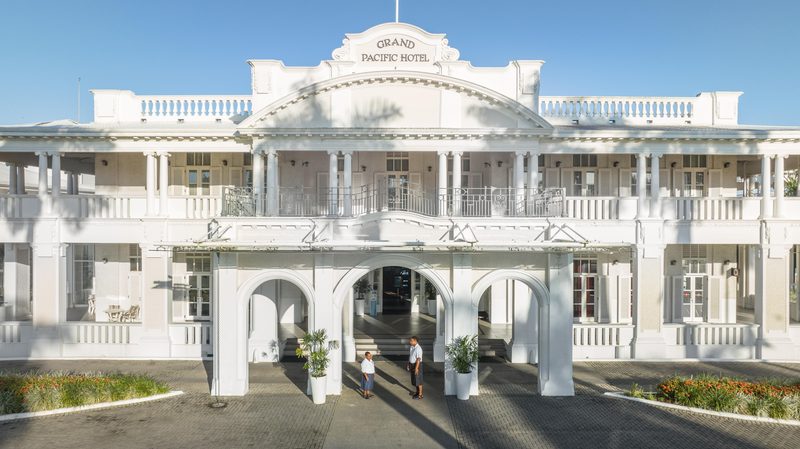
Hand-picked hotels across price tiers for July travellers.
Packing Checklist
Bookmark this page — your progress is saved between visits
Need the full list with shopping links?
Climate-specific gear, brand recommendations, and what to leave at home.
View Suva Packing List →Essential Tips
Insider knowledge and common pitfalls to avoid
Insider Knowledge
The upstairs food court at Suva Municipal Market serves the same Fijian and Indo-Fijian dishes that restaurants elsewhere in the city charge two or three times more for. Point at what looks good. Sit at the communal tables. Eat with the government clerks and market vendors on their lunch break. Saturday morning between seven and nine is peak atmosphere, when the hall fills with the clatter of plates, the sharpness of fresh chilli, and the low hum of Fijian and Hindi conversation layered over each other.
Suva's nightlife rarely appears in guidebooks. The kava bars near the University of the South Pacific campus in Laucala Bay are where young Suva socialises after dark. They are not tourist-oriented. Most have no signage beyond a dim light and an open door. Ask any taxi driver and you will be drinking yaqona with students and off-duty workers within minutes. The etiquette is simple: clap once before drinking, drain the bilo in one go, clap three times after. Nobody will mind if you fumble it the first round.
Suva to Nadi by road takes three and a half to four hours on a good day via Kings Road (the northern route, rougher but more scenic through the highlands with views of sugarcane valleys and river crossings) or Queens Road (the southern route, smoother and faster through the Coral Coast towns). Do not leave this drive to your last morning before a flight. Road conditions, weather delays, and the occasional sugarcane truck convoy moving at walking pace can add an hour without warning.
The Fiji Museum in Thurston Gardens is one of the best small museums in the Pacific. Nearly every tour bus skips it because it sits in Suva rather than the resort corridor. The double-hulled drua war canoe alone justifies the visit. It is a vessel that carried over a hundred warriors. Standing next to it in a quiet gallery gives you a physical sense of pre-colonial Fijian seafaring power that no photograph conveys. Go on a weekday morning when the galleries are nearly empty and the garden outside smells of frangipani and cut grass.
Avoid These Mistakes
Do not expect a beach holiday. Suva is not one. The harbor is a working commercial port where cargo ships dock and fishing boats idle. The city's appeal is cultural, food, and architectural rather than coastal. Travelers who arrive imagining the postcard Fiji of white sand and overwater bure and have not planned day trips to Beqa or the outer islands tend to be the ones who leave disappointed. Suva rewards curiosity. Not sunbathing.
Never skip the sevusevu (kava offering) protocol when visiting a village. In Fijian culture, you do not simply walk into a village and start looking around. The formal presentation of a bundle of dried yaqona roots to the village chief is how you ask permission to enter. Ignoring this is a genuine insult, not a quaint formality. Your tour operator should handle the sevusevu. Confirm this in advance. Understand what is happening when it takes place. Participation matters.
Suva's hills and distances punish anyone who underestimates them on foot. The city looks compact on a map. The terrain between the waterfront and the residential ridges is steep. It stays humid even in July. Some stretches offer little shade. The climb from the market area to the Government House neighbourhood will remind you that 80% humidity is 80% humidity regardless of the temperature. Start walks early. Carry water. Do not schedule back-to-back sites on opposite sides of the city without allowing for a taxi between them.
Short on time? See day trips around Suva on GetYourGuide.
Ready to plan your trip to Suva?
Now that you've got the research covered, here's where to go next.
Explore More Activities in Suva
Didn't see anything interesting yet?
Browse Viator's full catalog of tours, day trips, food experiences, and private guides in Suva.
See All Suva Tours on Viator