Things to Do in Suva in November
November weather, activities, events & insider tips
Low Season · Budget Friendly
November Weather in Suva
Long-run averages for November
85°F (29°C)
High Temp
74°F (23°C)
Low Temp
9.7 inches (246 mm)
Rainfall
87%
Humidity
15
Rainy Days
13
Sunny-Day UV
⚠ November 1 marks the official start of the South Pacific cyclone season. Direct cyclone hits on Suva in November are statistically uncommon. Peripheral effects from distant systems can disrupt travel plans with little warning. Extended grey skies. Rough seas. Ferry cancellations. Localised flooding in low-lying areas like Walu Bay and Lami. Monitor the Fiji Meteorological Service forecasts daily. Ensure your travel insurance explicitly covers weather-related disruptions.
⚠ Dengue fever risk increases in November as standing water from early wet-season rains creates mosquito breeding habitat across Suva. There is no vaccine widely available for travellers. Prevention means DEET-based repellent. Long sleeves at dusk. Awareness that the Aedes aegypti mosquito bites during daylight hours. Not just at night.
⚠ The combination of extreme UV and overcast skies is deceptive in November. Cloud cover in the tropics at Suva's latitude filters visible light. It transmits enough ultraviolet radiation to cause serious sunburn within 30 to 40 minutes of unprotected exposure. Locals know this. Visitors consistently underestimate it.
Making the most of November in Suva? Browse tours and activities in Suva on GetYourGuide.
Is November Right for You?
Weigh the advantages and considerations before booking
Advantages
- + Suva in November sits at the tail end of the drier stretch before December's 13.6-inch (345 mm) deluge arrives. You're catching the capital at a sweet spot. Warm enough for swimming in Colo-i-Suva's rock pools. Wet enough to keep the surrounding rainforest impossibly green. Not yet locked into daily downpours that define January through April. The 9.7 inches (246 mm) of rain across roughly 15 days sounds like a lot. Most of it falls in concentrated late-afternoon bursts that clear within an hour. Steamy golden evenings follow.
- + This is off-peak for Fiji's tourism circuit. The industry routes almost entirely through Nadi, the Mamanucas, and Denarau on the dry western side of Viti Levu. Suva rarely features on package itineraries. November thins the small independent-traveler crowd even further. The Fiji Museum, Thurston Gardens, and the Municipal Market all operate without queues. You'll likely be the only visitor wandering the old colonial district along Victoria Parade on a Tuesday morning.
- + The Indo-Fijian community's festival calendar produces neighbourhood celebrations in the weeks following Diwali. November often catches the residual energy. Mandirs lit up. Sweets circulating at Suva's Indian restaurants along Cumming Street. A general festive warmth in the city's substantial South Asian quarter. The timing shifts year to year with the lunar calendar. When it lands right, you'll taste fresh gulab jamun and jalebi from home kitchens that briefly supply the market stalls.
- + Fruit season is accelerating. November is when Suva's markets start overflowing with soursop, pawpaw, and the first proper mangoes of the season. Still firm and tart early in the month. Softening into that honey-sweet Pacific mango flavour by the last week. The Municipal Market's ground floor becomes an olfactory event. Overripe jackfruit competing with bundles of fresh duruka, a Fijian wild sugarcane shoot you eat raw or in coconut cream. The sharp iodine smell of fresh reef fish laid out on banana leaves.
Considerations
- − November 1 officially opens cyclone season in the South Pacific. The statistical likelihood of a direct hit on Suva in early-to-mid November is still relatively low. It rises as the month progresses. When a tropical depression forms in the region, even one that passes hundreds of kilometres away, Suva catches the peripheral effects. Grey skies for two or three consecutive days. Swells that shut down inter-island ferries. A sticky, oppressive humidity that sits well above the already-high 87% average. Travel insurance with weather disruption coverage is not optional.
- − Suva occupies the wet side of Viti Levu for a reason. The southeast trades push moisture directly into the hills behind the city. November's 246 mm (9.7 inches) arrives with tropical intensity that European or North American visitors rarely expect. Not drizzle. Walls of warm rain that turn the gutters along Renwick Road into ankle-deep streams within minutes. The drainage infrastructure in Suva's lower-lying neighbourhoods around Walu Bay can struggle. Some streets flood temporarily. It's manageable if you plan around it. frustrating if you've scheduled a full outdoor day and the afternoon simply cancels itself.
- − Suva is not a beach city in any conventional sense. November's conditions make this obvious. The harbour waterfront along Suva Point is silty and functional rather than swimmable. The closest proper sand beaches require driving 30 to 45 minutes east toward Pacific Harbour or west toward Natadola. November's swells make some reef passages rougher than the dry-season norm. If your image of Fiji is turquoise lagoons and white sand, Suva will challenge that assumption. This is a working Pacific capital. Its appeal is cultural and culinary, not coastal.
Settled on November? Compare hotel prices in Suva for your dates on Trip.com.
Best Activities in November
Top things to do during your visit
November in Suva arrives with the first deep breaths of the wet season. Afternoon clouds stack tall over the Rewa River delta. The air thickens with the mineral smell of warm rain on volcanic soil. Average highs sit around 29°C and lows hover near 23°C, a sticky warmth that makes Suva feel leagues away from the resort coastlines most visitors picture when they think of Fiji. Rainfall climbs to roughly 246 mm for the month, noticeably heavier than the dry-season lows of July and August but still well short of the January downpours that can dump over 340 mm. The showers tend to arrive in sharp, theatrical bursts, the kind that drum on corrugated iron roofs with a sound like loose gravel rolling downhill, then pass within the hour, leaving the city's hillsides so intensely green they seem lit from inside. This is Suva at its most authentically itself. The capital is not a beach town and has never tried to be one. It is a working Pacific port city of maybe 95,000 people, where the municipal market along Usher Street fills with muddy taro roots, bundles of duruka, and slick piles of walu fish still smelling of salt and iron. In November the University of the South Pacific campus buzzes with end-of-year energy, and the curry houses and roti shops around Cumming Street stay open late, their kitchens sending the char of roasted cumin and the tang of tamarind chutney drifting into the wet evening air. Suva rewards travelers who want to eat well, walk slowly, and understand the Pacific rather than merely sunbathe beside it. Accommodation in Suva ranges from no-frills guesthouses near the bus station to a handful of comfortable waterfront hotels with views across the harbor toward the dark ridgeline of Joske's Thumb. Restaurants here serve some of the most interesting food in the South Pacific: kokoda, a Fijian ceviche of raw fish cured in lime juice and stirred through thick coconut cream until it turns silky and faintly sweet; lovo-roasted pork wrapped in banana leaves that taste of smoke and earth; Indian-Fijian curries built on coconut milk rather than ghee, with a heat that sneaks up on you a full second after the first bite. Suva's nightlife is modest but genuine, centered on a few hotel bars and kava lounges where you sit cross-legged on woven mats, clap once, and drink the earthy, numbing liquid from a coconut shell while rain taps against the louvered windows.

Private Transfer Nadi Airport to or from Hotel or Resort
transportThe drive between Nadi International Airport and any hotel or resort on the western coast passes through sugarcane country, where the air streaming through open windows tastes faintly of molasses and the roadside stalls are stacked with green coconuts hacked open with a single machete stroke. This private transfer eliminates the uncertainty of navigating Fiji's taxi market on arrival, pairing you with a driver who knows the two-lane Kings Road and its unmarked speed bumps, the shortcuts through Lautoka's back streets, and where to pull over for the best view of the Sabeto Range fading to blue in the late-afternoon haze. For travelers continuing onward to Suva, the same service runs in reverse, getting you back to Nadi's terminal without the negotiation that public transport demands.
The most practical way to start or end a Fiji trip, with a driver who turns the Nadi airport run into an effortless introduction to the island's landscape.
Insider tip: Book the transfer for early morning departures at least a day ahead. Drivers based outside Nadi proper need lead time, and pre-dawn pickups run smoother when confirmed the evening before.

Port of Suva - Private Tour
private_tourA private guided circuit of Suva's port district on foot and by vehicle strips back the capital's polished-guidebook surface and shows you the gritty, aromatic, lived-in city underneath. The route threads through the Suva Municipal Market, where vendors sit behind pyramids of cassava and breadfruit on concrete slabs still wet from the morning hose-down, the whole building humming with conversation in Fijian, Hindi, and English. From there you move past the old colonial buildings along Victoria Parade, their once-white facades now streaked with tropical mildew, toward the waterfront where container cranes swing loads above rust-orange freighters and the harbor water is the color of strong tea. The tour includes the Fiji Museum in Thurston Gardens, where war clubs and tabua whale-tooth necklaces sit in glass cases beside double-hulled canoe models, and the guide contextualizes what you see with stories about indentured labor, independence, and the coups that shaped modern Fiji.
The only way to understand Suva as a Pacific capital rather than a transit point, with a local guide who connects the harbor, market, and colonial quarter into a single coherent story.
Insider tip: Ask your guide to include a stop at the Suva Flea Market near the bus station, where secondhand sulu wraps and hand-carved kava bowls cost a fraction of hotel-shop prices and the bargaining is friendly.
This month: November's afternoon showers can interrupt outdoor portions of the tour. Mornings are typically clearer and cooler.

Suva Customized tour- Private
guided_experienceWhere the standard Suva port tour follows a set route, this customized private option hands the itinerary to you and your guide, letting you linger where your interests lead, whether that means an hour watching the fish auction at the wharf where yellowfin tuna hit the concrete with a wet slap, or a slow walk through the Suva Cemetery reading the weathered headstones of colonial-era merchants and missionaries. The flexibility matters in a city like Suva, where the best discoveries are accidental: a Tamil temple tucked behind a hardware store on Toorak Road, its interior thick with the sweet smoke of camphor and sandalwood; a tiny Fijian-Chinese lunch counter serving chow mein piled onto buttered white bread; a sudden view from the hillside above the Government Buildings where the entire harbor opens up below you and you can hear the low horn of an arriving ferry bouncing off the water. Your guide reshapes the day in real time based on weather, road conditions, and what catches your eye.
Suva is a city that resists a checklist approach, and this format matches the pace and curiosity of travelers who want depth over coverage.
Insider tip: Tell your guide in advance if you want to visit the University of the South Pacific's Oceania Centre for Arts, Culture and Pacific Studies, where contemporary Pacific art fills open-air galleries. It keeps limited hours and the guide can confirm access before you arrive.

Private Transfer: Suva to Nadi Airport
transportThe road from Suva to Nadi Airport crosses the full width of Viti Levu, roughly four hours of winding two-lane highway that climbs through the rain-soaked interior highlands before descending into the drier sugar coast on the west side. Doing it by private transfer rather than public bus means your driver can stop at Navai village, the trailhead for Mount Tomanivi, where the cool mountain air smells of damp moss and pine, or at the roadside produce stands near Sigatoka where women sell bundles of bele greens and fat papayas still warm from the tree. The vehicle is yours, so a late checkout in Suva does not mean a missed flight. The driver adjusts departure time to your schedule and knows the road well enough to anticipate the sections where landslide debris or slow trucks can add thirty minutes without warning.
Turns the logistically awkward Suva-to-Nadi transit into a comfortable cross-island journey with stops that most visitors, locked into resort shuttles, never see.
Insider tip: Request a departure that puts you in the highlands around midday, when the cloud forest along the Kings Road is most dramatic and the temperature drops noticeably from the coastal heat, making a short roadside stretch of the legs pleasant.
This month: November rainfall can slow the interior highway sections. Allow an extra hour of buffer beyond the standard four-hour drive time.

Kiara Package tour
guided_experienceThe Kiara Package tour bundles a guided half-day around Suva with stops that lean toward the city's cultural backbone rather than its touristic surface: the Fiji Museum's collection of cannibal forks and drua sailing-canoe prows, the Parliament complex where the architecture tells you more about Fiji's political turbulence than any briefing could, and the handicraft market where women weave pandanus-leaf mats with a speed and rhythm that makes the dried leaves whisper and click under their fingers. The pace is unhurried, pitched at travelers who have a single morning or afternoon in Suva between ferry connections or domestic flights and want a guided framework rather than aimless wandering. Lunch is typically included at a local restaurant where the dhal soup arrives in a steel bowl with a slick of coconut oil on top and the roti is charred in spots, soft in others, torn by hand and used to scoop up the last of the curry.
The most efficient way to absorb Suva's cultural and political identity in a half day, with a guide who fills the gaps between stops with context you would not find on your own.
Insider tip: If your schedule allows, ask the guide to swap the Parliament stop for a visit to the Colo-i-Suva Forest Park on the city's outskirts, where a short trail leads to a natural swimming pool fed by a waterfall. The cool freshwater is a relief after a morning in Suva's lowland heat.
Where to Stay in Suva in November
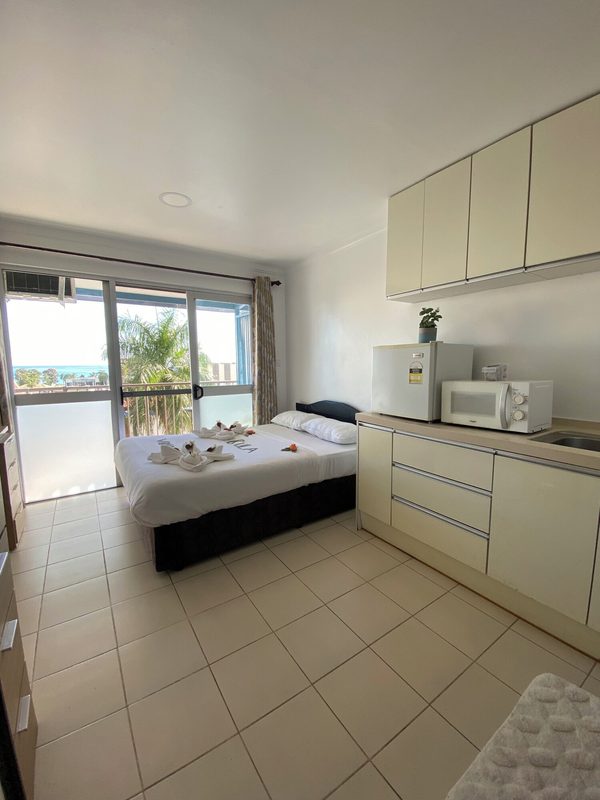
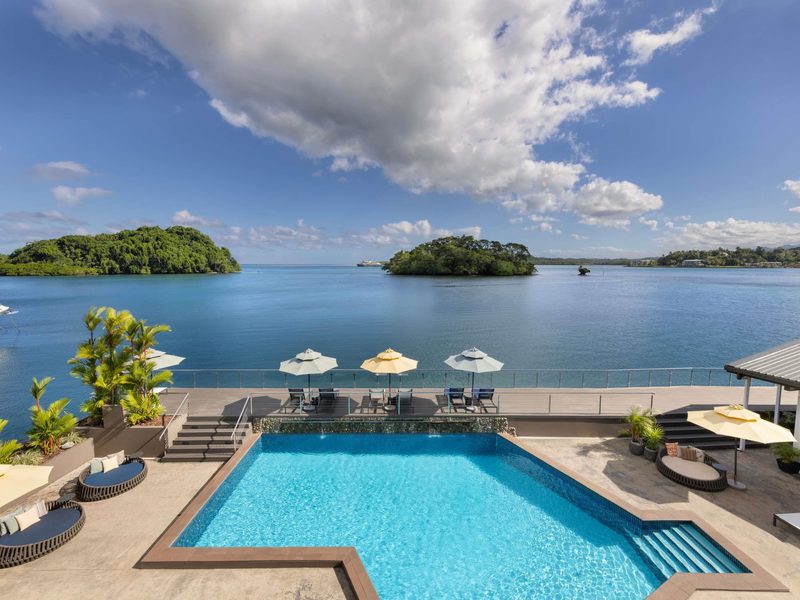
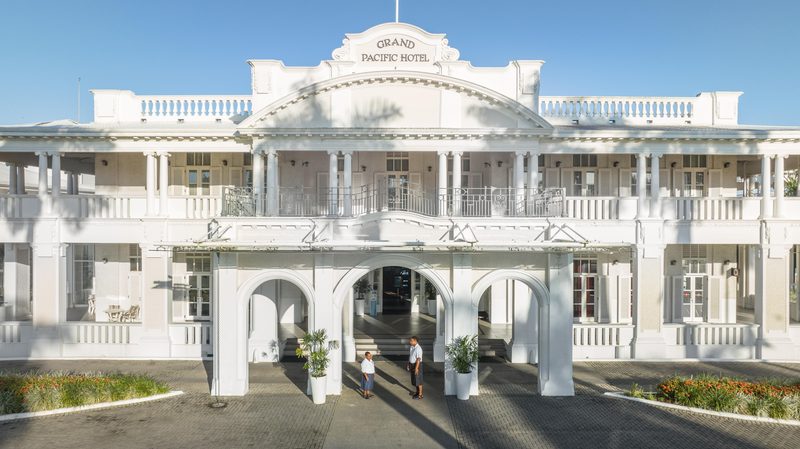
Hand-picked hotels across price tiers for November travellers.
Public Holidays in November
Dates that affect opening hours, transport and crowds
Diwali
Observed nationwide as a public holiday. This date depends on observation rather than a fixed calendar, so confirm it locally closer to the time. Date not yet confirmed.
Diwali
Observed nationwide as a public holiday. Granted in lieu when the holiday falls at a weekend. This date depends on observation rather than a fixed calendar, so confirm it locally closer to the time. Date not yet confirmed.
Packing Checklist
Bookmark this page — your progress is saved between visits
Need the full list with shopping links?
Climate-specific gear, brand recommendations, and what to leave at home.
View Suva Packing List →Essential Tips
Insider knowledge and common pitfalls to avoid
Insider Knowledge
The kava ritual is not optional in Suva. It is the social currency of the city. Every market stall cluster, every village visit, and most business interactions begin with a bilo of yaqona. Clap once before receiving the bowl. Use cupped hands, not a mug. Drink it in one go. Then clap three times. The taste is earthy and numbing. Imagine liquid dirt mixed with novocaine. Your lips will tingle within minutes. Do not grimace. The numbness is the point. Refusing is a social misstep. By your third day you will appreciate the mellow calm it produces.
Suva's best food is invisible to visitors who stick to waterfront restaurants. The cooked-food stalls on the Municipal Market's upper floor serve kokoda and palusami. Taro leaves bake in coconut cream until they collapse into something rich and slightly bitter. The Indo-Fijian curry stalls serve goat curry with roti and dhal. This will be your most satisfying meal in Fiji. The lunch rush runs 11:30 AM to 1 PM. Everything is freshest then. After 2 PM, the good stalls have sold out.
Suva sits on the wet side of Viti Levu. November's weather patterns are predictable once you learn the rhythm. Mornings stay clear or lightly overcast until around noon. Clouds build over the Rewa Range behind the city. By 2 to 3 PM the rain arrives hard and fast. Plan outdoor activities for before lunch. Keep afternoons for the Fiji Museum, the market, or a long kava session. You will rarely feel rained out. Locals have lived this schedule forever.
If you are coming from Nadi International Airport, do not fly. The Kings Road route across the northern highlands of Viti Levu takes about four and a half hours by car. It passes through genuine rural Fiji. You will see sugar cane fields, river crossings, villages where children wave from the roadside, and mountain passes where the air cools noticeably. The Queens Road along the southern coast is shorter at roughly three hours but less scenic. Either way, the drive itself is part of the experience. It contextualises the capital as what it is: a city at the end of an island, surrounded by the Pacific on three sides.
Avoid These Mistakes
Do not treat Suva like a beach holiday destination. You will feel disappointed. This is Fiji's political, cultural, and academic capital. The University of the South Pacific campus anchors an entire neighbourhood. Its appeal is urban and cultural, not coastal. The waterfront is a working harbour, not a resort strip. Visitors expecting the Mamanuca Islands experience will leave confused. Come for the food, the market, the museum, the kava, the colonial architecture, and the best window into how Fiji lives beyond the resort fence.
Do not schedule a tight itinerary without weather buffer days. November will cancel at least one outdoor plan with rain or rough seas. The inter-island ferries connecting Suva to Kadavu or Ovalau can be delayed or cancelled when swells build. Build at least one completely flexible day into any week-long stay. The travellers who enjoy Suva most shrug at rain. They find a kava bar instead of staring at a ruined spreadsheet.
Skipping the sevusevu when visiting villages outside Suva. The formal kava presentation ceremony is not a tourist performance. It is a genuine request for permission to enter someone's community. Arriving at a village without bringing a bundle of dried kava root (available at any Suva market stall, and the vendor will advise you on appropriate quantity) is like showing up to a dinner party empty-handed. Then walking through the host's bedroom. Tour operators handle this on organised trips. Independent travellers need to come prepared.
Short on time? See day trips around Suva on GetYourGuide.
Ready to plan your trip to Suva?
Now that you've got the research covered, here's where to go next.
Explore More Activities in Suva
Didn't see anything interesting yet?
Browse Viator's full catalog of tours, day trips, food experiences, and private guides in Suva.
See All Suva Tours on Viator