What to Pack for Suva
Complete packing checklist tailored to Suva's climate and culture
Climate Overview for Suva
Suva runs warm and wet. The air hangs heavy, thick with humidity that clings to your skin. Sudden tropical downpours drum against corrugated iron roofs, then pass, leaving the city gleaming under dense green canopy. Temperatures stay mild, rarely scorching. But the damp makes fabrics stick. Pack light. Pack quick-dry layers. Pack serious rain protection. This is not weather you fight. You adapt.
Clothing & Footwear

Suva mixes paved capital streets with rougher hill paths. Your feet need support on wet, sometimes slick surfaces. Breathable materials matter. The Municipal Market and Thurston Gardens reward walkers.

Clothing dries slowly here. Bamboo or synthetic blend undergarments wick moisture and dry overnight after hand washing. This extends your wardrobe between laundry chances.

Packing cubes help. They maximize suitcase space for rain jackets and extra layers. They separate damp swimwear from dry clothes after day trips to Pacific Harbour.

A packable daypack carries your rain layer, water bottle, and souvenirs. It saves space in main luggage for the flight to Fiji. It works for spontaneous explorations of the Fiji Museum or walks along the Suva seawall.
Electronics & Gadgets
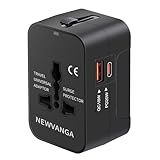
Fiji uses Type I outlets, same as Australia and New Zealand. A universal adapter handles older hotel configurations. Choose one with USB ports.

Long days drain batteries fast. Maps, cameras, the Parliament complex, handicraft markets. A high-capacity power bank keeps you connected. It keeps you shooting.

Humid, salty air destroys cheap cables. Braided ones last longer. Carry multiple. Charge in your room. Keep a spare in your daypack.

Older Suva buildings have questionable wiring. A compact increase protector with multiple outlets and USB ports guards against voltage spikes. It creates one charging station for everything.
Toiletries & Health

Clear bags speed airport security. In Suva, they protect toiletries from humidity that breeds mildew in damp bathrooms, common in older guesthouses.

Walk Suva, get blisters. A basic kit handles cuts, scrapes, insect bites from the city's lush parks. Include antiseptic wipes, bandages, anti-itch cream.
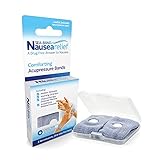
Coastal roads and island boats induce nausea. Non-medicated bands work without drowsiness. Enjoy the scenery. Skip the sickness.
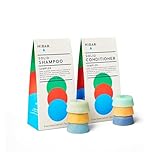
Solid bars travel better. No spills in luggage. No liquid limits. They last longer, reduce plastic waste in Suva.

Humidity degrades pills. A weekly organizer with sealed compartments protects medications. Maintain your regimen across time zones.
Documents & Security
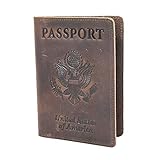
An RFID wallet organizes documents. It blocks digital theft. Useful in crowded Municipal Market and busy bus stations where pickpockets operate.

A money belt holds Fijian dollars and backup cards. Wear it under clothing. Peace of mind at the Suva Fiji Museum, walking after dark.
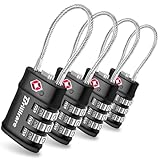
Cable locks secure checked luggage to Nausori International Airport. They work on hostel lockers and hotel safes. Deterrence matters.
Comfort & Convenience

Rain hits hard and fast. A sturdy, wind-resistant umbrella outperforms disposable ponchos. Stay dry on Victoria Parade, at the Presidential Palace.

Bring a reusable bag. Suva's produce markets reward spontaneity. Albert Park picnics happen. Reduce plastic. Carry heavy fruit and handicrafts without tearing.

Street lights and early tropical dawns leak into rooms. A contoured eye mask blocks them. Sleep through jet lag.

Earplugs silence Suva's nightlife, morning traffic, suburban roosters. Use them on long flights. Arrive rested. Explore ready.
Outdoor & Hiking Gear
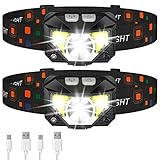
Pack a headlamp. Essential for early morning or evening walks in Suva's less-lit areas, such as the Colo-i-Suva Forest Park trails. A hands-free light also proves invaluable during unexpected power outages, which can occasionally occur in parts of the city.

Bring a whistle and compass. A small safety item for venturing into the rainforest areas near Suva, like the trails around the Raintree Lodge. The whistle can signal for help if needed, while the basic compass provides orientation on densely wooded paths.
Seasonal Packing Adjustments
What to add or skip depending on when you visit
Dry Season
May, June, July, August, September, October
Add: Light sweater or jacket for cooler evenings
Shop Dry Season essentials →Visit during these months. This period sees less rainfall and slightly cooler temperatures, at night. While still warm, evenings by the Suva seawall can feel breezy and cool. Rain showers are shorter and less frequent, but a compact umbrella is still advised.
Wet Season
November, December, January, February, March, April
Add: Extra quick-dry clothing sets, Waterproof sandals, Mildew-resistant bag for electronics
Shop Wet Season essentials →Skip: Heavy cotton garments
Prepare for wet weather. Heavy, persistent rain is common. Prioritize waterproof gear and quick-dry fabrics. Humidity is at its peak, making moisture-wicking clothing essential. Be prepared for sudden downpours that can flood streets in lower parts of Suva.
Luggage Recommendation
Choose your luggage wisely. A medium-sized suitcase or travel backpack is suitable for Suva. Given the frequent rain, a hard-shell or highly water-resistant soft-shell bag offers better protection for your belongings during transport and storage. Ensure it has sturdy wheels or comfortable straps for navigating Suva's sometimes uneven sidewalks and potentially flooded curbs during heavy rain. A separate, packable daypack is essential for daily excursions.
Shop Carry-On Luggage on AmazonPro Packing Tips
Practical advice from experienced travelers
Don't Pack
- Leave these at home. Heavy jeans or denim jackets. These become uncomfortably hot and take forever to dry in Suva's humidity.
- Buy these locally instead. Large bottles of sunscreen or insect repellent. You can find reputable brands at reasonable prices at MHCC in Suva or Prouds in the Suva Central shopping area.
- Skip the bulky raincoat. A compact, packable rain jacket or a sturdy travel umbrella is more practical for Suva's sudden showers.
- Dress down. Formal evening wear. Most restaurants and venues in Suva have a relaxed, smart-casual dress code.
- Pack light on water. A large supply of bottled water. A reusable bottle is better. Tap water in Suva's main areas is treated and generally safe to drink after boiling or filtering.
- Don't bring these. Beach towels. Most accommodations in Suva provide these, and they are bulky. A compact, quick-dry travel towel is sufficient if needed.
Buy Locally
- Get connected locally. A local SIM card with data. Purchase from Vodafone or Digicel stores in central Suva for the best rates and coverage across Viti Levu.
- Buy this on arrival. Sulu (sarong). This versatile garment is used for visiting villages, as a beach cover-up, or even a light blanket. Buy authentic, colorful designs from the Suva Municipal Market.
- Stock up on these. Bula (Fijian) shirts and dresses. These bright, patterned garments are good for the climate and culture. Find them at the handicraft stalls near the Fiji Museum or in shops along Victoria Parade.
- Eat local. Fresh tropical fruit. Experience the memorable variety at the Suva Municipal Market instead of packing snacks. Sample star fruit, soursop, and ripe pineapple.
Packing Hacks
- Roll clothes instead of folding to save space
- Pack shoes in shower caps to protect clothes
- Use packing cubes to stay organized
- Keep essentials in your carry-on
Continue Planning Your Trip
More guides to help you prepare