Things to Do in Suva in September
September weather, activities, events & insider tips
Low Season · Budget Friendly
September Weather in Suva
Long-run averages for September
81°F (27°C)
High Temp
71°F (21°C)
Low Temp
7.4 inches (188 mm)
Rainfall
78%
Humidity
13
Rainy Days
12
Sunny-Day UV
⚠ UV index reaches extreme levels on clear days, strong enough to burn unprotected skin in under 15 minutes at midday. The risk intensifies near water and on overcast mornings when thin cloud cover lets UV through without the visible heat that would otherwise drive you into shade. Reapply sunscreen after every swim or rain exposure.
⚠ Afternoon squalls hit fast. They dump heavy rain in tight 20 to 40 minute bursts. Streets in low-lying parts of central Suva, around the market area and Walu Bay, flood at kerb level when the sky opens. Pack waterproof bags for your electronics. You will need them.
⚠ Dengue fever circulates in Fiji year-round. Mosquitoes breed in standing water even during dry months. Use repellent at dusk and dawn. Colo-i-Suva demands extra vigilance. Seek medical attention fast if high fever and joint pain strike. Do not wait.
Making the most of September in Suva? Browse tours and activities in Suva on GetYourGuide.
Is September Right for You?
Weigh the advantages and considerations before booking
Advantages
- + September marks the tail of Suva's dry season. Humidity hits its annual low of 78%. Rainfall drops to roughly half the wet months' total. Mornings break cool at 21°C (71°F). Walk the Suva seawall now. The temperature feels pleasant, not punishing. Trade winds carry a dry, salty edge. That edge vanishes entirely by November.
- + Suva Municipal Market ranks among the South Pacific's largest covered markets. Dry season suits it best. Root-crop vendors stack yaqona bundles waist-high. Reef fish arrives still glistening from the morning catch. The upstairs cooked-food section serves steaming bowls of fish suruwa. Fat roti parcels come without the stifling heat. By January, that corrugated-roof space turns unbearable.
- + Tourist traffic stays thin in Suva year-round. September is quiet. The Fiji Museum in Thurston Gardens. The colonial-era Government Buildings along Victoria Parade. The entire waterfront promenade. You share these with schoolchildren on excursions. Civil servants take lunch breaks here. Tour groups funnelled off cruise ships are absent.
- + Colo-i-Suva Forest Park's trails sit about 11 km (6.8 miles) north of central Suva. They reach peak condition this time of year. Creek pools run clear enough to swim. Red-earth paths have dried out from monsoon months. Birdlife thrives. The orange dove and silktail grow more active and vocal. Cooler dry-season canopy suits them.
Considerations
- − September still delivers 188 mm (7.4 inches) of rain. That falls across roughly 13 days. Showers arrive in sharp afternoon bursts. All-day grey is rare. Yet these downpours rearrange outdoor plans. Flexibility matters.
- − Water temperatures around Suva's coast dip to their annual low near 25°C (77°F). Most swimmers find this comfortable. Reef snorkeling or diving off Beqa Lagoon demands more. A 3mm shorty wetsuit changes everything. Without it, you cut the dive short after 30 minutes. With it, you stay under.
- − Suva is not a beach destination. September changes nothing. Harbour water runs silty and port-busy. Swimmable reef beaches require a drive west toward Pacific Harbour. That is about 50 km (31 miles) along the Kings Road. Boat transfers to offshore islands work too.
Settled on September? Compare hotel prices in Suva for your dates on Trip.com.
Best Activities in September
Top things to do during your visit
Suva in September sits at the hinge between Fiji's cool-dry season and the slow build toward summer rain. Daytime highs hold around 27°C. Nights cool to a comfortable 21°C, a relief after months spent in equatorial capitals where the air sticks to your skin. Rainfall begins its climb from the August low, averaging around 188 millimetres for the month. In practice, that means short, hard downpours that sweep across the harbour in the afternoon and leave the city smelling of wet earth and frangipani. The mornings, though, tend to break clear over the Suva Peninsula. The light on the water at Laucala Bay has a silver-blue quality you do not get in the steamier months. September is Suva at a slower cadence. The university term is underway, so the cafés along Victoria Parade fill with students and lecturers arguing over kava. The Municipal Market on Usher Street hums without the crush of December holiday shoppers. The reef fish at the market stalls, parrotfish, trevally, coral trout, are laid out on banana leaves in neat, glistening rows. The women selling dalo and cassava will let you taste a wedge of ripe pawpaw if you linger. Suva's restaurant scene, concentrated along the waterfront and in the backstreets near the old Town Hall, leans into Indian-Fijian flavours at this time of year: roti parcels stuffed with curried jackfruit, kokoda bright with coconut cream and lime, fish suruwa simmered until the broth turns golden. For those exploring Fiji's capital rather than the resort coast, September delivers the city on its own terms. Unhurried. Cool enough to walk the hillside suburbs. Empty enough that you can sit in the Fiji Museum gardens and hear nothing but the wind through the rain trees.

Private Transfer Nadi Airport to or from Hotel or Resort
transportThe drive between Nadi International Airport and Suva covers roughly three and a half hours along the Kings Road or the Queens Road, each route offering a different introduction to Viti Levu. The Queens Road hugs the southern coast, passing through sugar-cane country where the sweet, green smell of cut cane fills the car, then climbing through the Coral Coast's dry scrubland before descending into Suva's wet, forested eastern shore. A private transfer strips away the stress of navigating Fiji's bus network with luggage and jet lag. The driver will often stop at the Sigatoka Sand Dunes viewpoint or a roadside fruit stand without being asked. In September, the road is dry and the river crossings are low. The journey is as smooth as it gets all year.
The most painless way to bridge the 197-kilometre gap between Nadi's airport and Suva's city centre, with a window seat to Viti Levu's shifting landscape.
Insider tip: Request the Queens Road route for coastal scenery and ask the driver to pause at the Navua River bridge, where you can hear the rapids churning below and photograph the gorge walls draped in creeping ferns.
This month: In September, the road is dry and the river crossings are low. The journey is as smooth as it gets all year.

Port of Suva - Private Tour
private_tourA private tour of the Port of Suva starts at the waterfront where inter-island ferries and cargo ships jostle for berth space, the air thick with diesel fumes and the sharp brine of the harbour. Your guide walks you through the working port, past stevedores unloading containers of tinned corned beef and Japanese cars, past the copra sheds where dried coconut flesh is weighed and bagged for export, and then into the city's commercial spine, where the colonial-era buildings along Thomson Street still wear their original verandahs and corrugated-iron roofs. The tour peels back the administrative surface of Fiji's capital and shows you the gears: the customs house, the clock tower, the spot where the old Suva wharf once received mail steamers from Sydney.
Suva's port is where the Pacific trade economy becomes tangible, raw copra, reef fish on ice, the rust-streaked hulls of island freighters, and a guide turns the chaos into narrative.
Insider tip: Bring a compact rain jacket rather than an umbrella. The port area is open and windy, and September squalls blow sideways off the harbour.

Suva Customized tour- Private
guided_experienceThe customised private tour of Suva hands you the editorial pen: you choose whether to spend the morning in the Fiji Museum tracing the arc from Lapita pottery to the British colonial period, or climbing the steep residential streets of the Domain neighbourhood where the government buildings sit behind hedges of hibiscus and croton. The guide, typically a Suva local with deep knowledge of the city's ethnic layers, from indigenous iTaukei to Indo-Fijian to Chinese merchant families, reshapes the itinerary around your interests. That might mean an hour in the Thurston Botanical Gardens listening to the fruit bats shriek from the canopy, or a detour to the Sikh temple on Toorak Road. The pace is yours. In September's manageable heat, walking is comfortable enough that you can cover the entire CBD and the hillside above it without wilting.
Suva rewards curiosity more than checklists, and a guide who knows the city's layered communities can open doors, a Tamil temple mid-prayer, a kava ceremony at a suburban bure, that a self-guided walk cannot.
Insider tip: Ask the guide to include a stop at the University of the South Pacific campus bookshop, which stocks Pacific literature and academic works on Fijian history you will not find anywhere else in the country.
This month: In September's manageable heat, walking is comfortable enough that you can cover the entire CBD and the hillside above it without wilting.

Kiara Package tour
guided_experienceThe Kiara Package tour bundles Suva's headline sights into a single guided half-day: the Fiji Museum, the Suva Municipal Market, the Colo-i-Suva Forest Park, and the waterfront strip. What lifts it above a standard city loop is the forest park segment, where a fifteen-minute drive from the city centre drops you onto a trail beneath a closed canopy of mahogany and dakua, the air ten degrees cooler than the coast and smelling of wet moss and leaf litter. The natural rock pools at Colo-i-Suva are fed by a creek that runs clear even after rain, and the sound of the waterfall reverberates off the basalt walls in a low, steady rumble. For visitors short on time in Suva, this tour compresses the capital's contrasts, urban market noise, colonial architecture, and true rainforest, into a single morning.
The fastest way to grasp Suva's split personality: concrete port city on one side, dripping rainforest on the other, connected by a road that takes twelve minutes.
Insider tip: Wear shoes with grip for the Colo-i-Suva trails. The boardwalks are slick after rain, and in September the forest floor stays damp even on dry days.
This month: In September the forest floor stays damp even on dry days.
Where to Stay in Suva in September
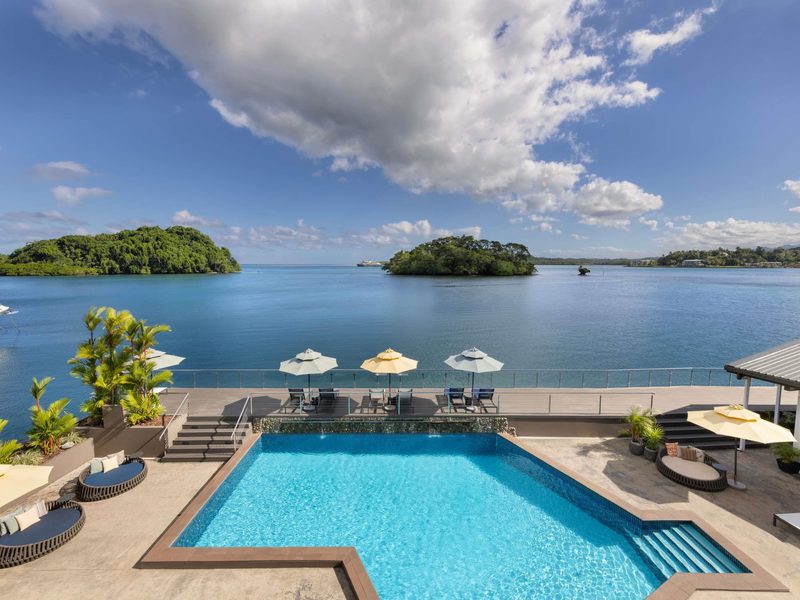
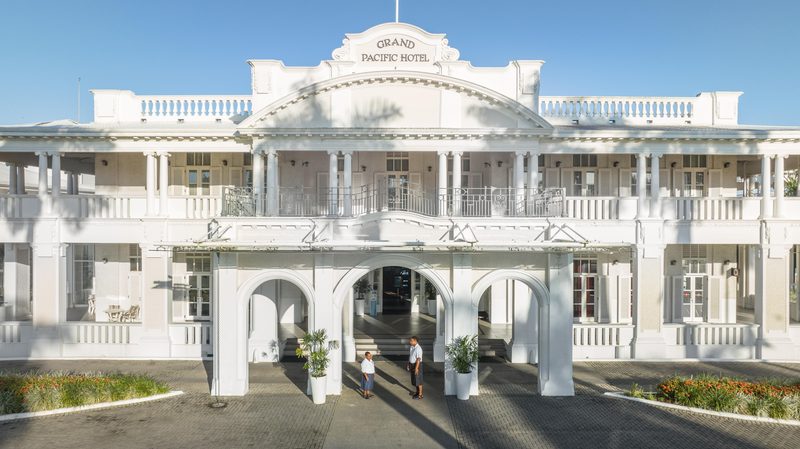
Hand-picked hotels across price tiers for September travellers.
Packing Checklist
Bookmark this page — your progress is saved between visits
Need the full list with shopping links?
Climate-specific gear, brand recommendations, and what to leave at home.
View Suva Packing List →Essential Tips
Insider knowledge and common pitfalls to avoid
Insider Knowledge
Head to the upper floor of Suva Municipal Market for lunch, not the restaurants along Victoria Parade. For a fraction of restaurant prices you get enormous plates of curry and roti, fish in coconut cream with cassava, or Chinese-Fijian chop suey served by vendors who have held the same stall for decades. Point at what looks good. Sit at the shared tables. Eat with your hands if the people around you are doing the same. Saturday before 8 AM is the peak. Weekday lunchtimes are less hectic and the food is just as fresh.
Use Suva's bus network, run by ageing but reliable fleets, to connect the city centre to Pacific Harbour, Navua, and Colo-i-Suva for very little. The buses leave from the terminal behind the market when full rather than on a strict schedule, so asking the driver when the next departure is beats checking a timetable. The ride to Colo-i-Suva takes about 30 minutes and drops you at the park entrance gate.
Kava in Suva is not a one-night experience. Drink grog with the same group two or three evenings running, and the social dynamic shifts entirely. You stop being a visitor. You become someone they joke with, ask questions of, and invite to family meals. The lip numbness fades. The conversations do not. This is the real Suva, and it runs on repetition rather than novelty.
September is the tail end of Fiji's sugarcane harvest season. Drive the Kings Road west of Suva toward Pacific Harbour, and you pass fields of cut cane, narrow-gauge rail lines hauling loaded trolleys to the mill, and the sweet, slightly fermented smell of crushed stalks hanging in the warm air. It is an agricultural landscape most visitors to Fiji never encounter because they fly into Nadi and transfer straight to a resort island.
Avoid These Mistakes
Do not arrive expecting beach-resort Fiji. Suva is a working capital on a harbour, not a turquoise-lagoon postcard. The waterfront is a seawall and container port. The swimming happens at forest pools and offshore islands reached by boat. The reward is cultural depth rather than sand between your toes. Travelers who arrive wanting Nadi-style resorts leave disappointed. Travelers who arrive wanting to understand Fiji leave converted.
Do not skip the sulu. Fijian villages, churches, and even some government buildings expect knees and shoulders covered. Showing up in shorts to a village sevusevu ceremony signals disrespect in a culture that takes protocol seriously. Buy one at the municipal market on your first morning and carry it in your daypack. It costs almost nothing. It changes how people receive you.
Avoid scheduling outdoor activities after noon without a backup plan. September's rain pattern clusters in the afternoon, typically between 1 PM and 4 PM. Front-load hikes, market visits, and walking tours into the morning. Save indoor activities like the Fiji Museum, a long market lunch, or a kava session for the afternoon. This is how Suva locals structure their days, and it works.
Short on time? See day trips around Suva on GetYourGuide.
Ready to plan your trip to Suva?
Now that you've got the research covered, here's where to go next.
Explore More Activities in Suva
Didn't see anything interesting yet?
Browse Viator's full catalog of tours, day trips, food experiences, and private guides in Suva.
See All Suva Tours on Viator