Things to Do in Suva in October
October weather, activities, events & insider tips
Low Season · Budget Friendly
October Weather in Suva
Long-run averages for October
83°F (28°C)
High Temp
72°F (22°C)
Low Temp
9.8 inches (249 mm)
Rainfall
83%
Humidity
15
Rainy Days
13
Sunny-Day UV
⚠ Heavy afternoon downpours can cause flash flooding in low-lying areas around Walu Bay, Raiwaqa, and parts of Lami. Avoid walking through flooded streets, as drainage infrastructure in older neighbourhoods can overflow and water depth is impossible to judge. If your accommodation is in a flood-prone area, confirm the property's history with the host before booking.
⚠ Tropical cyclone season officially begins in November. But October can see early tropical disturbances forming in the western Pacific. These rarely make landfall as full cyclones this early. But they can bring extended periods of heavy rain, rough seas, and cancelled boat trips. Monitor the Fiji Meteorological Service forecasts if you have island excursions or diving planned in the second half of the month.
⚠ The UV index reaches 13 on clear October days, which is classified as extreme. Unprotected skin can burn in under 15 minutes at midday. The overcast periods between rain showers are deceptive because UV penetrates cloud cover at these latitudes. Apply sunscreen even on grey mornings.
Making the most of October in Suva? Browse tours and activities in Suva on GetYourGuide.
Is October Right for You?
Weigh the advantages and considerations before booking
Advantages
- + October hits Suva at the sweet spot. Cooler dry months fade. Heavy rains have not arrived yet. You get warming temperatures and greening landscapes without December's daily deluges. Rainfall averages 9.8 inches (249 mm) across about 15 days. That sounds heavy until you see January's 13.5 inches (343 mm) or March's 13.4 inches (340 mm). Most showers arrive in concentrated afternoon bursts. Mornings stay wide open.
- + Fiji Day on October 10 transforms Suva completely. The working capital becomes a city-wide celebration. You will not experience this any other month. Parades roll along Victoria Parade. Hymn-singing competitions fill the air. Lovo pits fire up in every neighbourhood. Flags drape from every second balcony on Cumming Street. This is Suva at its most unselfconsciously alive. Almost no foreign visitors are here to see it.
- + October sits firmly in shoulder season. Accommodation rates drop noticeably from the June through September peak. Crowds thin out in Nadi and the Mamanuca resorts. They thin out even further in Suva, which already receives a fraction of Fiji's tourist traffic. You will likely have Colo-i-Suva Forest Park's swimming pools largely to yourself on a Tuesday morning.
- + Water temperatures hover around 26°C (79°F) and climb. This brings improving underwater visibility in the reefs off southeastern Viti Levu. Beqa Lagoon's shark diving season is in full swing. Operators out of Pacific Harbour run regular trips. Booking pressure builds in November and December. October avoids that.
Considerations
- − Suva is one of the wettest capital cities on earth. October's 9.8 inches (249 mm) catches unprepared visitors off guard. The rain is not gentle English drizzle. It arrives in warm, heavy curtains. Hillside streets become temporary rivers within minutes. Low-lying areas near Walu Bay and parts of the Raiwaqa corridor can flood during sustained downpours. Taxis become almost impossible to flag during a serious afternoon storm.
- − Humidity averages 83%. The air carries a physical weight that never fully lifts, even at night. Warmth and moisture make sustained walking through the city centre a sweaty enterprise by mid-morning. Clothing that felt dry at breakfast will be damp by lunch. Rain is not required. Air conditioning is less universal here than in resort areas.
- − Suva is emphatically not a beach destination. The harbour waterfront is a working port. The coastline east of Suva Point is largely reef flat and mangrove. The nearest swimmable sandy beaches worth the name are on the Coral Coast, roughly 90 km (56 miles) and a two-hour drive west. Travelers who picture Fiji as turquoise lagoons and overwater bure will find Suva's appeal operates on an entirely different register.
Settled on October? Compare hotel prices in Suva for your dates on Trip.com.
Best Activities in October
Top things to do during your visit
October catches Suva at a turning point. The cooler, drier stretch that defines the middle of the year has passed. The capital slides into warmer air. Daytime temperatures climb to around 28 degrees Celsius. Nighttime lows hover near 22. Rainfall picks up to roughly 249 millimetres for the month. That is noticeably more than September. It is still well short of the drenching totals that arrive from December through April. Morning skies over the harbour often start clear. The water goes glassy and tinted turquoise. Then afternoon cloud banks pile up from the interior hills. When rain does come, it tends to arrive in sharp, warm downpours. They drum on corrugated rooftops. Then they stop abruptly. The pavement steams. The air thickens with the smell of wet earth and frangipani. Suva in this shoulder month is quieter than the peak holiday windows. The University of the South Pacific campus hums with students finishing the academic year. The Municipal Market, the largest open-air market in the South Pacific, fills early. Vendors stack pyramids of dalo root, cassava, and ripe pawpaw. The scent of fresh kava hangs around the ground-floor stalls. Bundles of dried root are weighed on hanging scales. Locals are less concerned with the calendar date than with the rhythm of the week. Saturday mornings bring the densest crowds to the market. Friday evenings pull the city's working population toward the bars and restaurants that line the harbour end of Cumming Street. For travellers wondering what Suva offers on any given day in October, the answer is the city itself. It is a Pacific capital with a working port. Colonial-era stone government buildings streak with tropical mould. Indian temples wedge between Chinese grocery shops. The film-noir atmosphere no resort island in Fiji replicates. The water temperature around Suva sits in the high twenties through October. It is warm enough for comfortable swimming at the reef breaks off Laucala Bay. Visibility is better in the drier months. Accommodation in Suva tends to sit in the budget-to-moderate range compared with the resort coast near Nadi. October's position outside the holiday rush means availability is rarely a problem. Dining is one of the city's genuine strengths. Curries fragrant with cumin and fresh curry leaves are served in no-frills Indian restaurants along Marks Street. Raw fish marinated in coconut cream appears at Fijian eateries. Chinese-Fijian fusion turns up at a handful of places near the old town hall. Suva after dark has a compact nightlife scene. It concentrates around a few clubs and hotel bars. The scene is low-key but genuine. The live music leans toward Pacific reggae and Fijian-language pop.

Private Transfer Nadi Airport to or from Hotel or Resort
transportThe Private Transfer from Nadi Airport to your hotel or resort strips away the logistical friction of arriving in Fiji. Nadi's international terminal empties you into thick, humid air. It is scented with jet fuel and plumeria. Having a driver waiting with your name means you skip the taxi negotiation entirely. The vehicle is air-conditioned and private. The route from Nadi Airport threads through sugarcane fields. The Sabeto mountain range rises behind them. You reach the coastal hotel strip. The light goes golden late in the day. You can hear the surf from the car window.
It eliminates the single most stressful moment in a Fiji trip, the airport-to-hotel transfer, with a pre-arranged, private vehicle at a budget-friendly rate.
Insider tip: Confirm your flight number and arrival time with the operator at least 24 hours ahead. Nadi flights from Australia and New Zealand frequently arrive in clusters. Drivers juggle multiple pickups.

Port of Suva - Private Tour
private_tourThe Port of Suva Private Tour takes you through Fiji's capital with a local guide. They shape the route around your interests. The bones of the itinerary follow Suva's essential geography. You see the harbour waterfront, where container ships and inter-island ferries dock nose to nose. You see the Government Buildings, modelled on Whitehall and now draped in creeping vines. You see the Suva Municipal Market, where the sound of Fijian barter mixes with the thwack of machetes splitting coconuts. The tour dips into Thurston Gardens. Century-old rain trees spread canopies so wide they block the sky. The adjacent Fiji Museum houses a collection of war clubs, tabua whale teeth, and the rudder from HMS Bounty. Walking Suva with someone who knows the backstreets means you find the Tamil temple on Howell Road. Incense smoke curls through the doorway. You find the alley bakeries turning out warm roti at mid-morning.
Suva rewards a guide who can read the city's layered history, Fijian, Indian, colonial, modern, and connect it on foot. That is nearly impossible to replicate with a guidebook alone.
Insider tip: Ask your guide to include a stop at the Suva Flea Market near the bus station. Secondhand sulu wraps and hand-carved kava bowls cost a fraction of resort-shop equivalents. Arrive before midday when selection is fullest.

Suva Customized tour- Private
guided_experienceThe Suva Customized Tour has a private, flexible itinerary. It is shaped entirely by what you want from the city. That might be architecture, food, religious sites, or simply the feel of a Pacific capital that most tourists never see. Your guide will adjust on the fly. If the rain hammers down mid-afternoon, you shift indoors to the Fiji Museum or one of the curry houses on Pratt Street. The aroma of slow-cooked goat and cardamom fills the room. On a clear stretch, you might climb to the lookout above the University of the South Pacific campus. Suva spreads below you in a patchwork of rusted tin roofs, green hillsides, and the dark blue of Laucala Bay. The customization means couples, families, and solo travellers each get a different day.
It turns Suva into whatever you need it to be, a food crawl, a history walk, a photography route, with a guide who knows which doors to knock on.
Insider tip: If food is a priority, tell your guide in advance. They can route you through the Indian quarter on Cumming Street around lunchtime. The dhal and roti shops are at full production then. You can taste your way through three or four stops without a reservation.

Private Transfer: Suva to Nadi Airport
transportThe Private Transfer from Suva to Nadi Airport covers the roughly three-and-a-half-hour Kings Road or Queens Road corridor in a dedicated vehicle. The drive itself is one of the most scenic stretches on Viti Levu. The Queens Road hugs the southern coast. It passes through villages where wood smoke drifts from cooking fires. Children wave from roadside fruit stands piled with mangoes and drinking coconuts. The Kings Road takes the northern interior route. It climbs through pine plantations and river valleys. The air smells of damp red soil and eucalyptus. Either way, you arrive at Nadi Airport without the stress of flagging a long-distance taxi or navigating the local bus schedule. That matters when you are catching an international departure.
The Suva-to-Nadi corridor is long enough that a missed connection or unreliable transport can cost you a flight. A private transfer removes that risk entirely.
Insider tip: Request the Queens Road route if your departure is afternoon or later. The coastal scenery is stronger. You can ask the driver to pause at Sigatoka Sand Dunes for a fifteen-minute walk on the windswept dune crest before continuing to the airport.

Kiara Package tour
guided_experienceThe Kiara Package Tour bundles several of Suva's key sights into a single guided day. The price point sits well below booking each element separately. The route typically covers the Suva Municipal Market. The tang of fresh tamarind and the earthy sweetness of taro root hit you before you reach the stalls. It covers the Colo-i-Suva Forest Park. A short trail leads through dense tropical canopy to natural rock pools. They are fed by cool, tea-coloured streams. It covers the Parliament complex near the harbour. The package format means logistics are handled for you. That matters in Suva, where public transport is functional but confusing to newcomers. Walking distances between sights can be deceptive in the heat. It is a practical choice for travellers with a single day in the capital. You get coverage without the higher cost of a fully private, customized experience.
It delivers Suva's urban and natural highlights in one day at a budget-friendly rate. That makes it the most efficient way to see the capital if your time is limited.
Insider tip: Bring water shoes or sandals with grip for Colo-i-Suva. The rock pool access trail is slippery after rain. In October, that is a near-daily possibility. The cool freshwater swim is the highlight of the stop.
Where to Stay in Suva in October
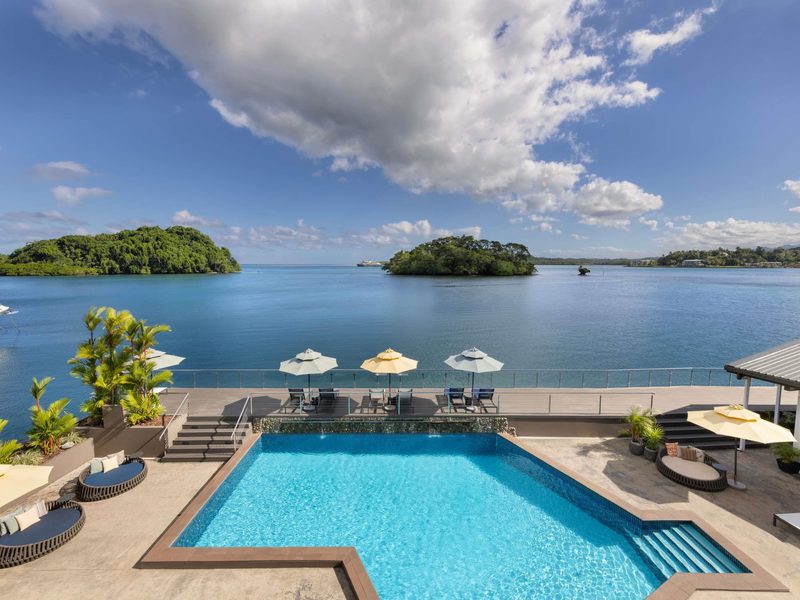
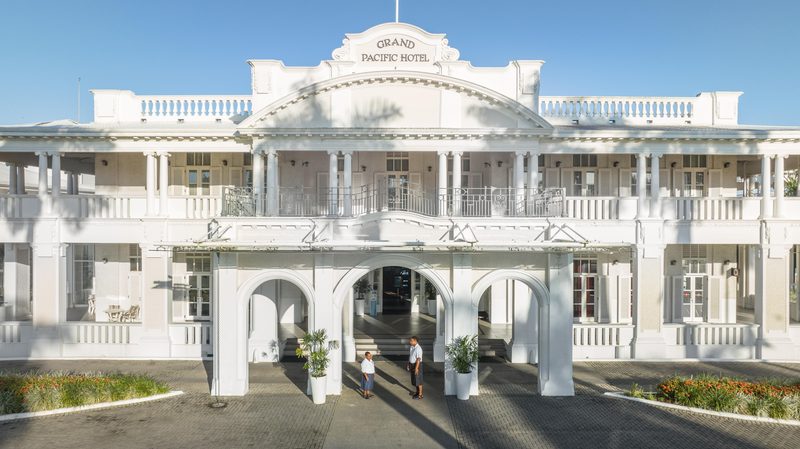
Hand-picked hotels across price tiers for October travellers.
Public Holidays in October
Dates that affect opening hours, transport and crowds
Fiji Day
Observed nationwide as a public holiday. Date calculated from the national holiday calendar.
Fiji Day
Observed nationwide as a public holiday. Date calculated from the national holiday calendar.
Diwali
Observed nationwide as a public holiday. This date depends on observation rather than a fixed calendar, so confirm it locally closer to the time. Date not yet confirmed.
Fiji Day
Observed nationwide as a public holiday. Date calculated from the national holiday calendar.
Diwali
Observed nationwide as a public holiday. This date depends on observation rather than a fixed calendar, so confirm it locally closer to the time. Date not yet confirmed.
Packing Checklist
Bookmark this page — your progress is saved between visits
Need the full list with shopping links?
Climate-specific gear, brand recommendations, and what to leave at home.
View Suva Packing List →Essential Tips
Insider knowledge and common pitfalls to avoid
Insider Knowledge
The kava you drink at a resort ceremony in Nadi and the kava session you join at a Suva neighbourhood tanoa on a Friday night are so different they might as well be different beverages. In Suva, yaqona is not a tourist performance. It is how the week ends. If someone at the Municipal Market or a downtown shop invites you to join a grog session, the protocol is simple: clap once before you accept the bilo (coconut shell cup), drink it in one go, clap three times after. The taste is earthy, peppery, and numbing on your tongue and lips. Your legs will feel heavy after the third cup. This is normal. Sit, listen, and let the conversation find you. Nobody expects you to understand Fijian. But they will appreciate the effort if you manage vinaka vakalevu (thank you very much) without butchering it too badly.
Sunday in Suva is quiet in a way that catches first-time visitors off guard. Fiji is Christian, and Sunday morning belongs to church. The city centre empties, most shops close, and the sound that carries through the residential hills is four-part hymn harmony drifting from every denomination's open windows. Do not plan activities that require commercial Suva on a Sunday. Do plan to walk through the suburbs and listen. The singing from the Methodist churches in Samabula and the Catholic cathedral downtown is extraordinary, unrehearsed in the professional sense but perfected through a lifetime of weekly practice.
The food scene that most visitors overlook entirely is Suva's Indo-Fijian cuisine, which reflects over a century of the Indian community's presence in Fiji. The curry houses and roti shops on Cumming Street and around the Marks Street area serve food that is not Indian and not Fijian but something that evolved in between: Fiji-style curry with coconut cream stirred into the gravy, roti paratha with a chewier pull than its subcontinental ancestor, and chutney made with tropical fruit that has no equivalent anywhere else. Ask for the fish curry with kokoda-style coconut if a place offers it. This crossover dish is Suva on a plate.
Suva's taxi system runs on negotiation, not meters, and the price a driver quotes a visibly foreign face will be significantly higher than what a local pays for the same trip. The fix is not to argue but to know the approximate fare before you get in. From the city centre to Colo-i-Suva Forest Park should run about the same as a modest lunch. From Suva to Pacific Harbour is a longer negotiation, and sharing a minivan from the bus stand near the market is both cheaper and more interesting, squeezed between bags of produce and Fijian grandmothers who will ask you where you are going and whether you have eaten.
Avoid These Mistakes
Flying into Nadi and assuming Suva is a quick transfer away. Nadi International Airport sits on the opposite side of Viti Levu, roughly 190 km (118 miles) and a solid three-to-four-hour drive from Suva via the Kings Road or Queens Highway. This is not a taxi ride. It is a half-day journey through sugar cane country, small towns, and mountain passes. The express bus is the most practical option if you have not arranged a private transfer. But it still takes the better part of an afternoon. Plan your arrival day around the transit, not around Suva activities.
Packing for a beach holiday. Suva is a capital city built on a rain-soaked peninsula, not a resort coast. Visitors who arrive expecting the Fiji of the brochures, all white sand and turquoise water, will spend their first day recalibrating. The beaches are elsewhere. What Suva offers instead is the most culturally dense, architecturally interesting, and gastronomically rewarding city in the South Pacific. But you need to pack and plan for an urban experience in a tropical climate, not a beachfront one.
Dismissing the rain and leaving waterproof gear at the hotel. October's 15 rain days means the odds of staying dry on any given outing are roughly a coin flip, and the storms arrive fast. Locals do not panic when the sky opens. They step under the nearest awning, wait 20 minutes, and carry on. But visitors who left their rain jacket at the hotel because the morning looked clear will spend that 20 minutes soaked, miserable, and watching their phone screen fog from the inside. Carry rain protection every single time you leave your room, regardless of what the sky looks like at departure.
Short on time? See day trips around Suva on GetYourGuide.
Ready to plan your trip to Suva?
Now that you've got the research covered, here's where to go next.
Explore More Activities in Suva
Didn't see anything interesting yet?
Browse Viator's full catalog of tours, day trips, food experiences, and private guides in Suva.
See All Suva Tours on Viator